Let students see the science.
Turn invisible processes into something students can investigate. Change variables, watch the model respond, and record evidence in a digital notebook.
Designed by a Teacher for Teachers
Bringing the future to Education, one STUDENT at a time!
NO CREDIT CARD, NO EMAIL!
WITH LESSON, GAME, ASSESSMENT, LESSON PLAN, AND VIRTUAL LAB
Learn how to access more lessons.
BUILT FOR MIDDLE SCHOOL CURIOSITY
Give students a place to investigate, make mistakes, and discover why. Judkins Science brings interactive labs, purposeful lessons, and student progress into one teaching space.
Start with our 7th-grade Cellular Respiration and Photosynthesis unit.
Keep water and carbon dioxide constant. Adjust the sunlight and watch the model respond.
In this model, more light supports more sugar production when water and CO₂ are available.
Simplified model, not real experimental data. Actual plant responses also depend on other conditions.
OUR STORY
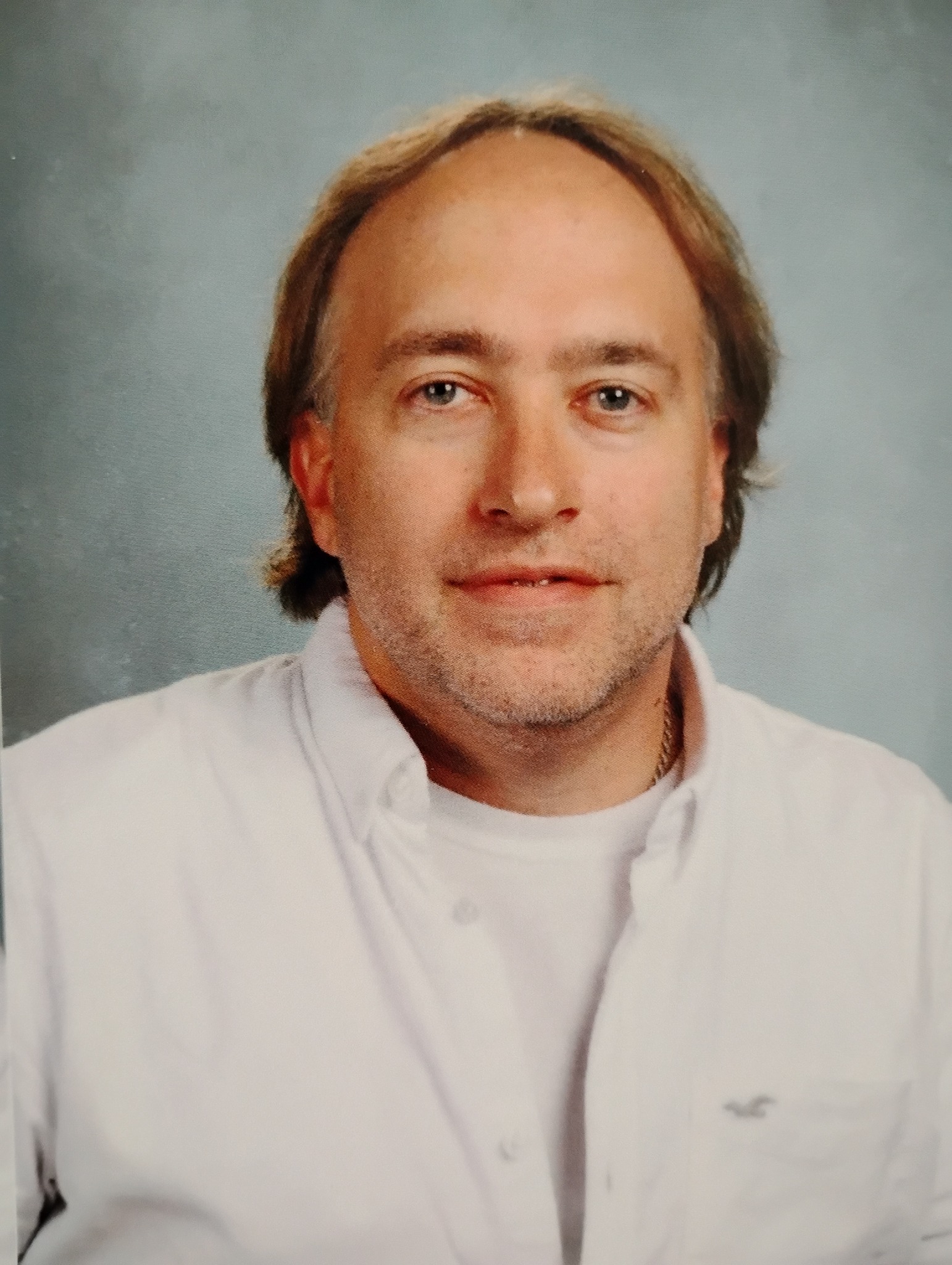
Judkins Science is built around a teacher’s goal: help students see science happening, ask better questions, and explain what they discover.
Our approach brings visual investigations, guided learning, and meaningful student feedback into one place. Students get opportunities to explore, while teachers can follow their thinking and decide where to offer support.
Bringing the future to Education, one STUDENT at a time!
TRY THE VIRTUAL LAB
Watch molecules move and fruit form. Change the conditions, then rerun the simulation.
CO₂ and H₂O enter the plant; photosynthesis releases O₂. Fruit stores sugar (glucose). This simplified model compresses growth into seconds.
MORE DISCOVERY. MORE DIRECTION.
Your students need opportunities to explore. You need to see what they understand. Build both into the same lesson.
Turn invisible processes into something students can investigate. Change variables, watch the model respond, and record evidence in a digital notebook.
Move from a personal check-in to prior knowledge, reading, video, understanding checks, a virtual lab, and an exit ticket in one learning path.
Review check-ins, lab observations, answers, and assessment results by student or data type. Use class and individual charts to focus your next conversation.
A PATH WITH PURPOSE
Each day gives students a clear next step, with opportunities to think, investigate, and explain along the way.
Preview the first dayBegin with a student check-in and a prior-knowledge question. Make space for the learner before the learning.
Explore a focused article and video. Answer understanding checks with explanations before progressing.
Adjust variables in a visual lab, compare trials, and record observations directly in the lesson.
Complete a five-question exit ticket. Reach the 80% mastery target to unlock that day’s science-themed game.
YOUR CLASSROOM. YOUR NEXT MOVE.
Assign a whole unit or an individual lesson. Preview any day. See students’ work as it is submitted, and bring those insights back into your teaching.
Explore the teacher dashboardRead Aloud for lesson articles and hover definitions for science vocabulary.
Standards and objectives introduce the learning before students begin.
Students return to their progress, while submitted work is available for teacher review.
A different science-themed game rewards mastery on each learning day.
EXPLORE THE CURRENT UNIT
Follow matter and energy through photosynthesis and cellular respiration. Help students interpret investigations, connect models, and explain what happens inside living things.
Currently available as an eight-day pilot. Additional curriculum is in development.
A FEW THINGS TO KNOW
The current pilot focuses on 7th-grade Cellular Respiration and Photosynthesis, with two lessons and eight learning days. You can explore the lesson experience and teacher tools now.
Yes. The teacher dashboard lets you assign the full unit or an individual lesson to the class or a student, and review their submitted work.
They offer another way to investigate—especially processes that are too small, too slow, or difficult to observe in class. Use them alongside classroom experiments and discussion.
See what your next science lesson could feel like.
Explore Judkins Science